Source Unisex Safety Toe Tennis Shoes for Construction, Industry, Mining
Find 30 unisex safety toe tennis shoes designed for construction, industry, and mining applications. Buyers can compare features like steel toes, puncture resistance, and slip-resistant soles across various models and materials to select the right protective footwear.
Key considerations
Products List


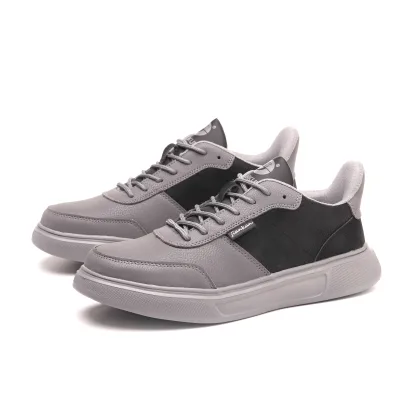


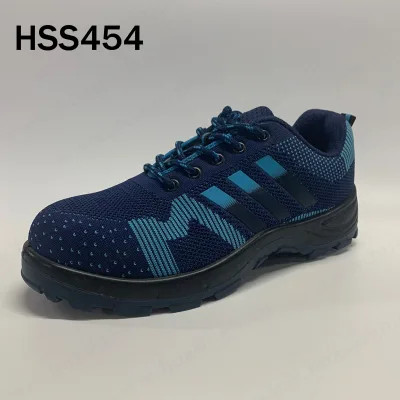
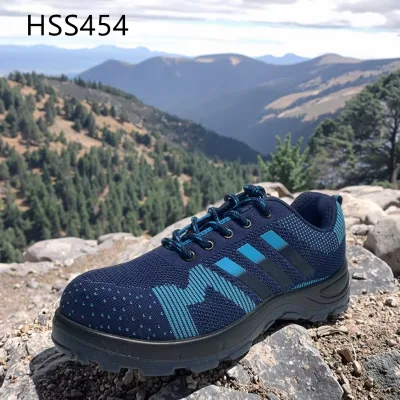
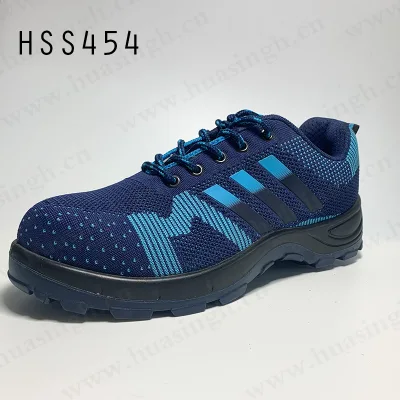


Comprehensive Sourcing Guide
Unisex Safety Toe Tennis Shoes Sourcing Guide
Sourcing unisex safety toe tennis shoes requires a careful balance between athletic aesthetics and industrial-grade protection. These footwear products are designed to meet the rigorous demands of construction, industrial, and mining environments while maintaining the lightweight and flexible profile of casual athletic wear. Buyers must navigate a complex landscape of material choices, safety certifications, and functional features to ensure the selected footwear provides adequate protection without compromising worker comfort. The following guide outlines the critical considerations for procurement professionals seeking to source these specialized safety shoes effectively.
The market for unisex safety footwear is diverse, with manufacturers offering a wide range of options that vary significantly in construction, materials, and intended use cases. While some models prioritize waterproofing and chemical resistance, others focus on breathability and anti-static properties. Understanding the specific operational hazards faced by your workforce is essential for selecting the right product. This guide provides a structured approach to evaluating suppliers, verifying technical specifications, and ensuring compliance with relevant safety standards, helping buyers make informed decisions that align with their organizational safety protocols and budgetary constraints.
Product Scope and Observed Listing Signals
The current market for unisex safety toe tennis shoes presents a wide variety of options, with observed price ranges typically spanning from $0.1 to $50 USD and minimum order quantities (MOQs) varying from 1 to 1000 pairs. These figures indicate a highly competitive market with products catering to both small-scale procurement needs and large-volume industrial contracts. Buyers should note that the wide price variance often reflects differences in material quality, such as the use of genuine leather versus fabric or mesh uppers, and the inclusion of advanced features like steel toes, puncture-resistant soles, and anti-static properties.
Observed product attributes reveal a strong emphasis on versatility and multi-hazard protection. Common features include steel toe caps for impact resistance, slip-resistant outsoles for traction, and anti-puncture midsoles to protect against sharp objects. Materials range from durable leather and rubber to breathable mesh and fabric, with some models offering waterproof membranes. Colors are predominantly black, beige, and grey, catering to professional aesthetics. Additionally, many products are marketed as unisex, with size ranges extending from US 4 to US 19, ensuring inclusivity for diverse workforce demographics.
Technical Specifications to Verify
When evaluating unisex safety toe tennis shoes, buyers must verify key technical specifications to ensure the footwear meets their specific operational requirements. One critical aspect is the upper material, which can be leather, fabric, mesh, or a combination thereof. Leather uppers generally offer superior durability and abrasion resistance, making them suitable for heavy-duty construction and mining environments. In contrast, fabric and mesh uppers provide better breathability and comfort, ideal for workers who spend long hours on their feet in less abrasive conditions. Buyers should also check for the presence of waterproof membranes, as some models are explicitly labeled as waterproof, while others are not.
The outsole material and construction are equally important for ensuring safety and comfort. Rubber outsoles are commonly used for their excellent grip and durability, while PU (polyurethane) outsoles offer lighter weight and good cushioning. Buyers should verify the presence of steel toe caps for impact and compression resistance, as well as puncture-resistant midsoles, often made from Kevlar or similar materials, to protect against sharp objects. Additional features such as anti-static properties, slip resistance, and air-cushioned soles can enhance worker safety and comfort. It is also essential to confirm the shoe size availability, as ranges can vary between models, with some offering sizes from US 4 to US 19.
Compliance and Safety Documentation
Compliance with safety standards is paramount when sourcing unisex safety toe tennis shoes. Buyers should request documentation that verifies the footwear meets relevant national and international safety standards, such as ASTM F2413 or ISO 20345. These standards outline specific requirements for impact resistance, compression resistance, and puncture resistance, among other safety features. While the supplied context does not confirm specific certification status for all products, buyers must ensure that suppliers can provide valid test reports and certification documents from accredited laboratories. This verification process helps mitigate the risk of procuring substandard footwear that may not provide adequate protection in hazardous environments.
In addition to safety standards, buyers should also consider other compliance aspects, such as chemical resistance and anti-static properties. Some products are labeled as acid and alkali resistant, which is crucial for workers in chemical industries. Anti-static features are essential in environments where static electricity could pose a risk of ignition or equipment damage. Buyers should verify these attributes through product specifications and supplier documentation. It is also important to check for any additional certifications or endorsements from industry bodies, which can provide further assurance of product quality and safety.
Cost Drivers and Commercial Terms
Several factors influence the cost of unisex safety toe tennis shoes, including material quality, safety features, and production volume. Higher-quality materials, such as genuine leather and advanced waterproof membranes, typically result in higher prices. Similarly, products with additional safety features, such as steel toe caps, puncture-resistant midsoles, and anti-static properties, may command a premium. Buyers should also consider the impact of order volume on pricing, as larger orders often benefit from economies of scale, resulting in lower per-unit costs. Understanding these cost drivers can help buyers negotiate better terms and optimize their procurement budgets.
Commercial terms, including minimum order quantities (MOQs), lead times, and payment terms, are also critical considerations. Observed MOQs range from 1 to 1000 pairs, offering flexibility for both small and large buyers. Lead times can vary depending on the supplier's production capacity and the complexity of the order. Buyers should clarify these terms with suppliers before finalizing purchases to avoid delays and ensure timely delivery. Additionally, payment terms, such as advance payments or letters of credit, should be negotiated to align with the buyer's financial policies and risk tolerance. Clear communication of commercial terms helps establish a transparent and mutually beneficial procurement relationship.
Supplier Qualification and Quality Control
Supplier qualification is a crucial step in sourcing unisex safety toe tennis shoes. Buyers should conduct thorough due diligence to assess the supplier's manufacturing capabilities, quality control processes, and compliance with safety standards. This includes verifying the supplier's production facilities, reviewing their quality management systems, and checking for relevant certifications. Buyers should also request samples of the footwear to evaluate their quality, fit, and comfort. Conducting on-site audits or third-party inspections can provide additional assurance of the supplier's ability to meet quality and safety requirements.
Quality control measures should be implemented throughout the production process to ensure consistent product quality. Buyers should work with suppliers to establish clear quality standards and inspection criteria, including checks for material integrity, stitching quality, and safety feature functionality. Regular quality audits and random sampling during production can help identify and address potential issues early. Additionally, buyers should establish a robust post-delivery inspection process to verify that the received goods meet the agreed-upon specifications. Implementing these quality control measures helps minimize the risk of receiving substandard products and ensures that the footwear provides adequate protection for workers.
Long-Term Procurement Checks
Long-term procurement of unisex safety toe tennis shoes requires ongoing monitoring and evaluation to ensure continued compliance and performance. Buyers should establish a regular review process to assess the footwear's durability, comfort, and safety features over time. This includes gathering feedback from workers on their experience with the footwear and monitoring any incidents or injuries related to footwear failure. Regular performance reviews help identify areas for improvement and inform future procurement decisions. Additionally, buyers should stay updated on changes in safety standards and industry best practices to ensure their footwear selections remain compliant and effective.
Supplier relationship management is also essential for long-term procurement success. Buyers should maintain open communication with suppliers, providing feedback on product performance and addressing any issues promptly. Building strong relationships with reliable suppliers can lead to better pricing, improved service, and access to new product innovations. Buyers should also consider diversifying their supplier base to mitigate risks associated with supply chain disruptions. By implementing these long-term procurement checks, buyers can ensure a steady supply of high-quality unisex safety toe tennis shoes that meet their evolving safety and operational needs.
FAQs
Are these unisex safety toe tennis shoes waterproof?
Some models are waterproof while others are not. The product list includes options with waterproof features and others explicitly marked as not waterproof, so buyers must check the specific model details before purchasing.
What materials are used for the upper and outsole?
The upper materials vary by model and include fabric, leather, mesh, nylon, and cotton. The outsole is typically made of rubber or PU, providing durability and slip resistance for industrial and construction environments.
Which safety features do these shoes offer?
These shoes offer multiple safety features including steel toe protection, puncture resistance, anti-stabbing capabilities, and slip resistance. Some models also feature anti-static properties and air cushioned soles for added comfort during long shifts.
What sizes are available for unisex safety toe tennis shoes?
Available US sizes range from 4.5 to 19, covering a wide spectrum of foot sizes. This extensive range ensures that both men and women can find a proper fit for their specific needs in construction or industrial settings.
Can I find these shoes in different colors?
Yes, the shoes are available in black, beige, grey, and brown colors. Buyers can select the color that best suits their uniform requirements or personal preference while maintaining the necessary safety standards for their work environment.
What is the minimum order quantity for these shoes?
The minimum order quantity ranges from 1 to 1000 pairs depending on the supplier and specific model. This flexibility allows small businesses to test the product while larger enterprises can place bulk orders to meet high demand.
Where are these safety shoes manufactured?
These shoes are manufactured in China, specifically originating from the Shandong region. The production location ensures access to established manufacturing capabilities while meeting international safety standards for industrial footwear.